Playback / Double Indemnity
Double Indemnity · 1944
Venetian Blinds
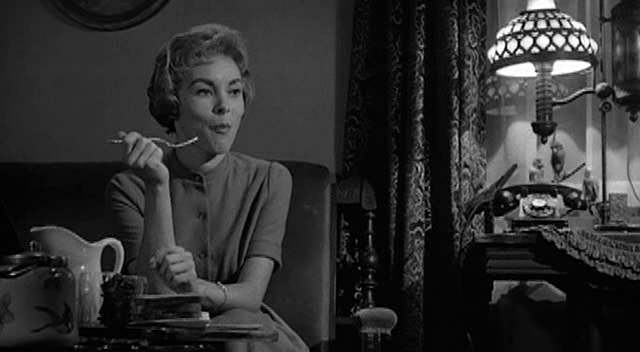
Hard bars of shadow fall across a living room where an insurance man is being talked into murder.
Watch for
- The venetian-blind shadows striping the room and the actors — light used as a cage.
- Low-key lighting: hard sources, deep blacks, almost no fill lifting the shadows.
- How faces slide in and out of darkness as they move, so we never get a clean read on either of them.
A worked reading · COCA
CContention
Wilder uses hard low-key lighting and barred shadow to imprison two characters in the frame before either has committed a crime.
OObservation
Sunlight through venetian blinds throws hard stripes across the walls and across Neff and Phyllis, and neither face is ever fully or evenly lit.
CConnotation
Bars of shadow read as a cage and a trap, and unlit faces read as concealed motive — the room is already a prison and the pair are already guilty.
AAudience
We are made suspicious of both of them by the light alone, and the film's ending feels inevitable from its first act.
Your turn
- Where is the key light coming from, and what is it doing to the walls and faces?
- What do the shadow stripes make you think of, and why is that useful for this story?
- How would the scene read if it were lit high-key, with soft even light?
For teachers
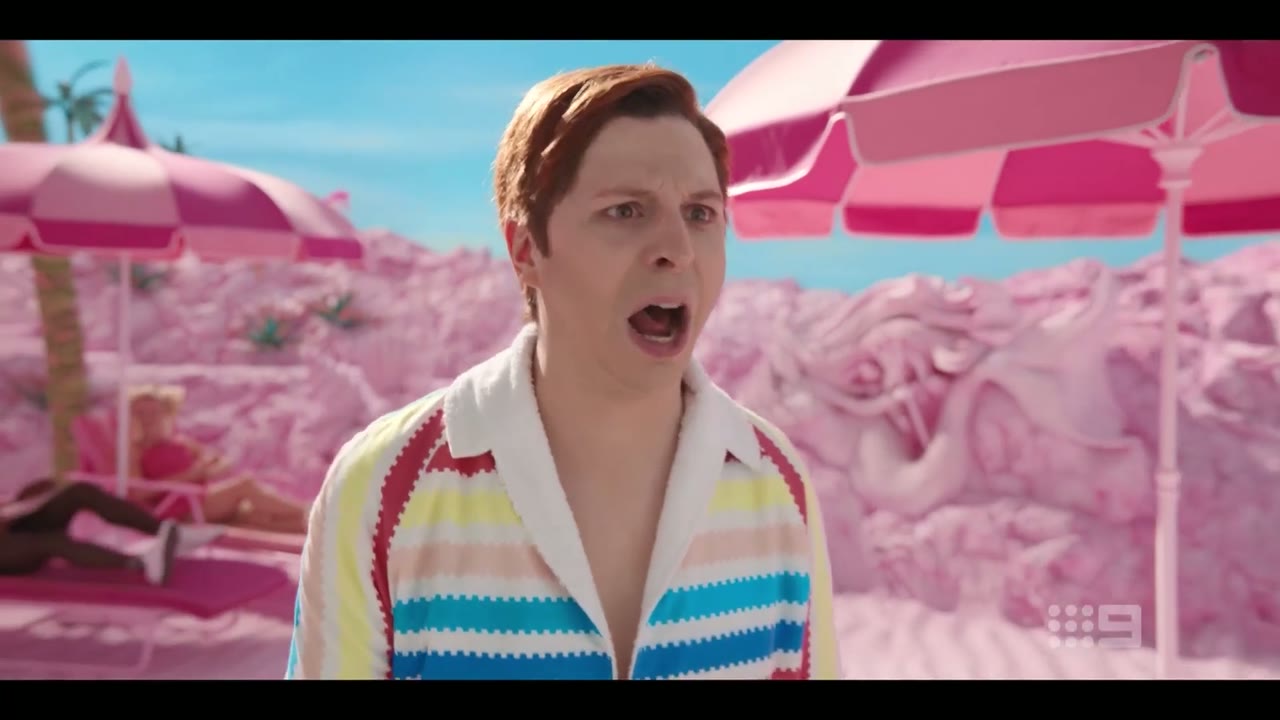
The origin of the noir lighting language every later thriller quotes — play it directly against the Barbie high-key clip. Classroom-safe (a murder is discussed, never shown).