
Manipulated · Episode 02 · Technical codes
The Field Test.
Six calls, made cold. No timer — just you, reading how each shot was captured and cut. Get all six and the certificate is yours.
-
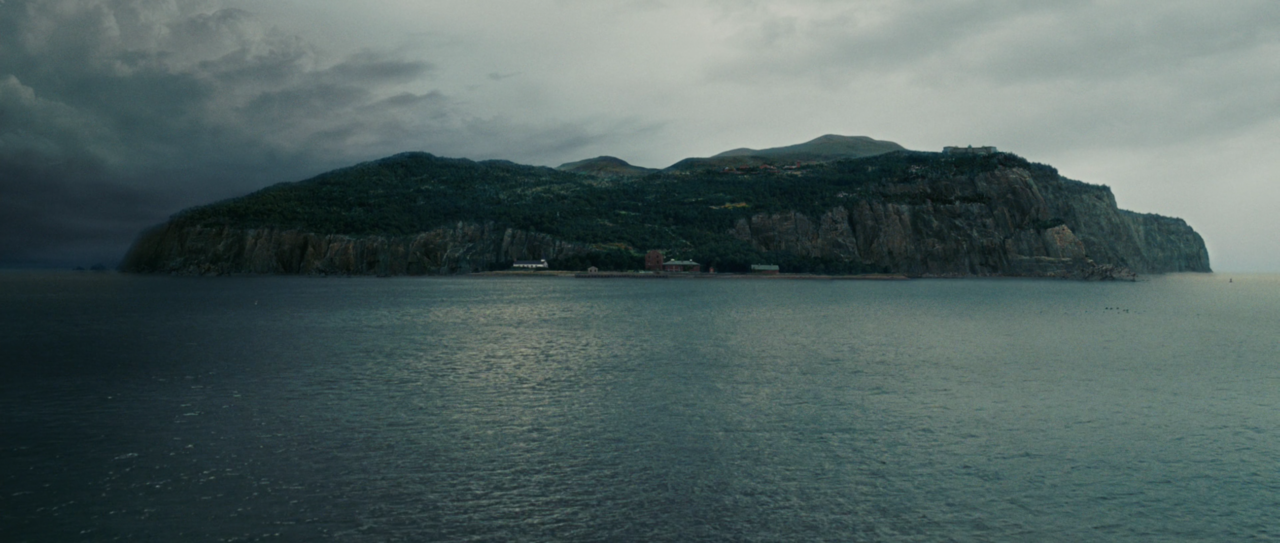
The ferry is a speck between sea and sky. Why open a film on an extreme long shot like this?
The wider the shot, the more we read context; the tighter, the more we read emotion. An extreme long shot makes the world the subject — and the people small inside it.
-
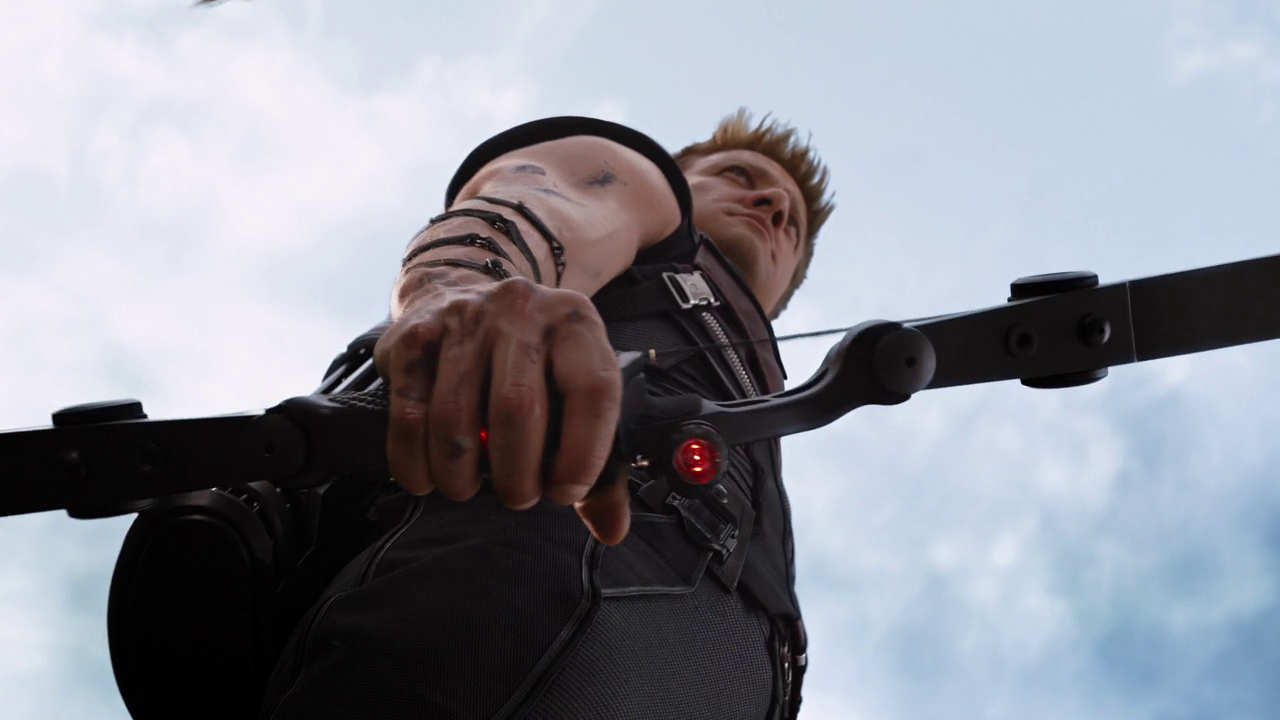
The camera looks up at the team from below. What does the low angle hand them?
Low angle = power. Looking up at a figure conventionally reads as dominance; looking down (high angle) diminishes them. The angle is characterisation without a word.
-
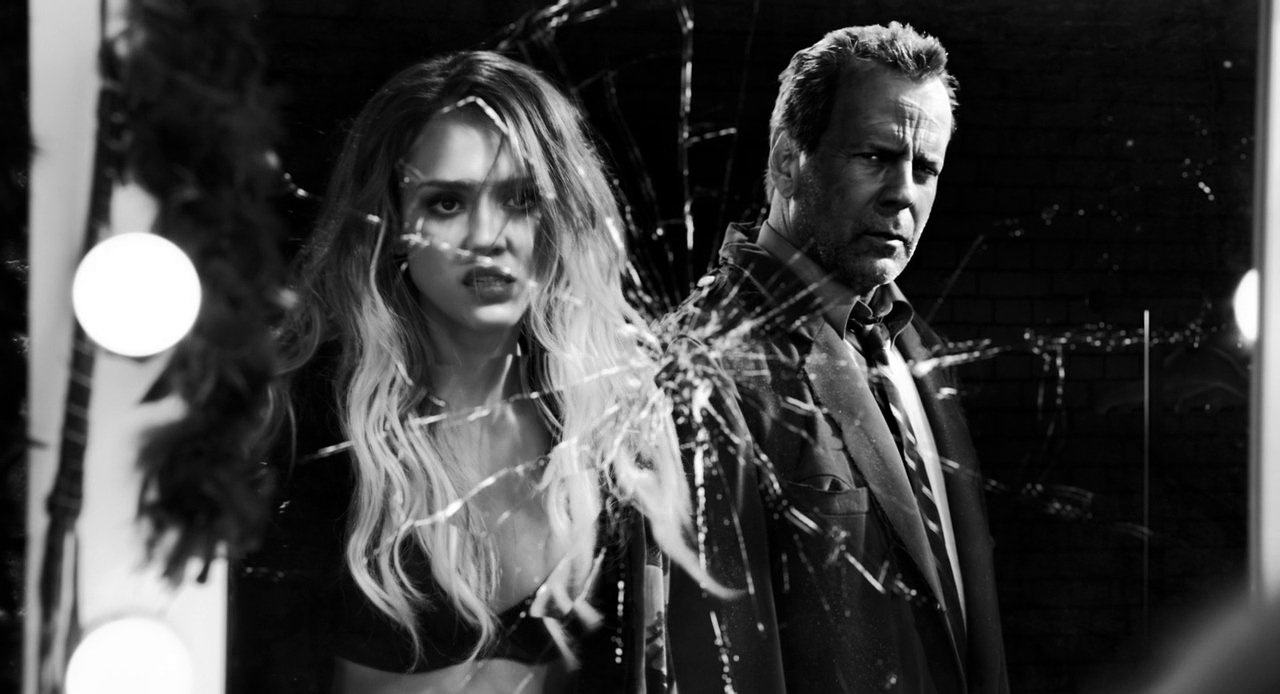
Hard light carves the figures out of near-total black. What lighting scheme is this, and what does it connote?
Low-key lighting is shadow-heavy and high-contrast — the signature of thrillers, horror and film noir. The ratio of light to shadow is one of the fastest mood-reads in film.
-
Kuleshov cut the same neutral face against a bowl of soup, then a coffin. Audiences swore the actor’s expression changed. What does this prove?
The Kuleshov effect is the foundation of editing: meaning is made by the cut, not just the shots. The audience builds the emotion themselves — editing tells them how to feel.
-
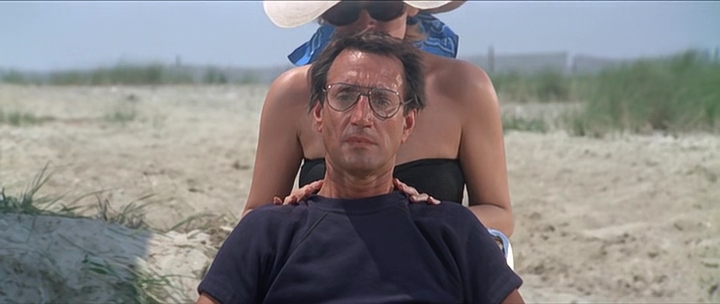
A crowded beach, nothing visibly wrong — but the audience is terrified. The image can’t explain it. What can?
Non-diegetic sound sits outside the story world, speaking straight to the audience. Williams’s motif is the shark — sound doing what the image withholds.
-
Your shoot: make the school bully look suddenly powerless — using only technical codes. What do you call?
High angle diminishes; a wide frame isolates; cold, flat light drains the glamour. Costume is symbolic and dialogue is written — the technical codes are how it’s captured.
✓ Mastery check passed — nice work.
Film stills quoted for education and review.